Imagine stepping out your front door and strolling to coffee, dinner, a waterfront park, and errands without getting in the car. If you want a neighborhood where daily life feels easy, connected, and calm, First Addition in Lake Oswego delivers that rhythm. In this guide, you will see how the area’s tree‑lined streets, classic homes, and downtown access shape everyday living. You will also get practical tips for buying and settling in. Let’s dive in.
First Addition at a glance
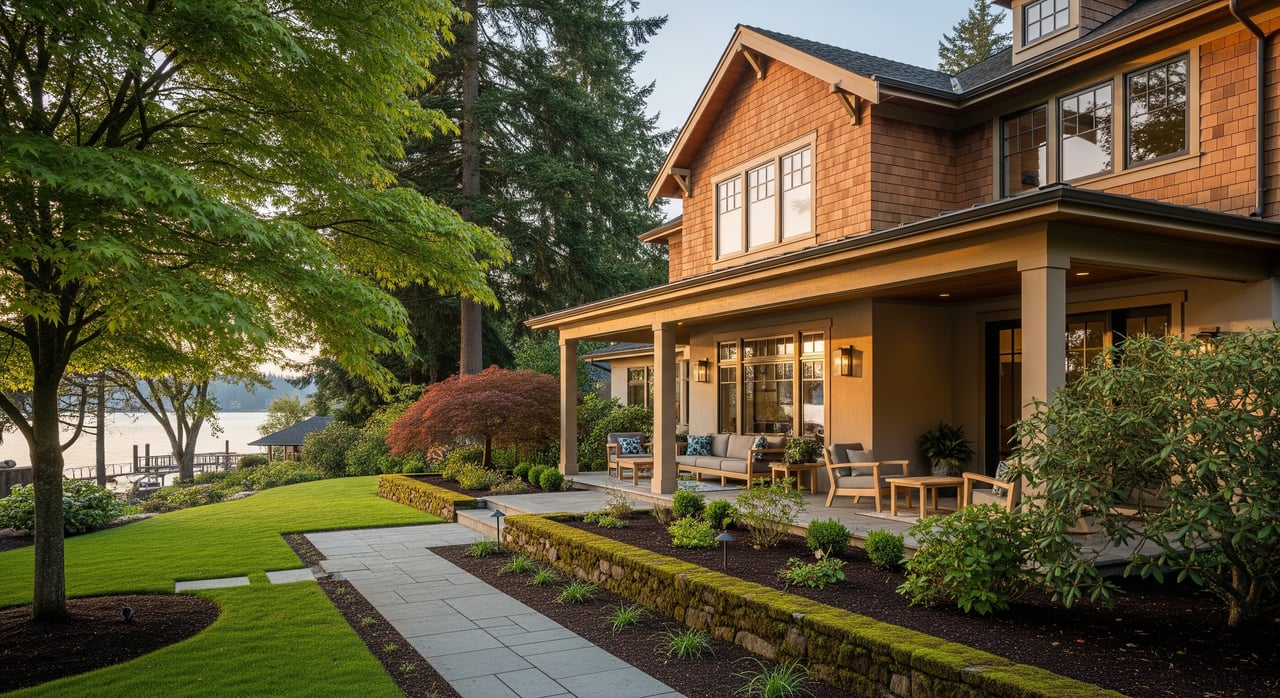
First Addition sits beside downtown Lake Oswego and the Oswego Lake shoreline. The small-block street grid makes day-to-day walks simple. You find a mix of older homes and thoughtful remodels, plus sidewalks and mature trees that add to the village feel.
- Walkable downtown: Cafés, restaurants, boutiques, and services cluster in the adjacent core.
- Classic homes: Bungalow and craftsman styles appear alongside traditional cottages and compatible infill.
- Tree-lined streets: Sidewalks, front gardens, and canopy trees add charm and shade.
- Community vibe: Seasonal events and civic places support a lively, pedestrian scene.
Homes and streets you see
Most properties are single-family homes from the early to mid 20th century. Many have been updated or expanded, and some newer infill homes fit the established look. You may also see smaller multifamily options and accessory dwelling units in a few spots.
Lots tend to be smaller than in newer suburbs, which keeps houses closer to sidewalks and neighbors. The result is a gardened streetscape with front porches and short walks between destinations. If you plan renovations or new construction, it is smart to check current city standards for design review, ADUs, and historic resources.
Getting around day to day
Walking is a core part of life here. The compact blocks, crosswalks, and nearby stores make it easy to handle errands on foot. Short bike rides work well for quick trips around downtown and nearby parks.
Local and regional bus lines serve the Lake Oswego area, with stops near downtown. If you drive, regional access to employment centers depends on local arterials and time of day. Street parking can be tight during peak dining and event times, and some homes offer garages or off-street spaces.
Everyday conveniences nearby
You can cover most daily needs within the downtown-and-neighborhood footprint. Independent cafés, casual dining, boutiques, and personal services are all close by. For bigger grocery runs or specialty shopping, you will likely drive to other parts of Lake Oswego or nearby suburbs.
Parks and green spaces near the waterfront draw regular use. Residents head out for morning walks, picnics, and seasonal events. Civic anchors such as the library, community center, and municipal offices sit in or near downtown, keeping daily tasks simple.
What life looks like
Young professionals and couples
You might start the day with coffee by the lake, work from a quiet corner of a café, then meet friends for dinner without moving your car. Evenings often end with a casual walk through tree-lined blocks. If your job is outside the neighborhood, a short drive or transit ride connects you to nearby employment hubs.
Families with children
Morning routines flow between home, school drop-offs, and a quick stop for groceries. After school, you can head to nearby parks for playtime and fresh air. Dinner out is simple when restaurants are a short walk away. Weekend drives cover bulk shopping or activities elsewhere in the metro area.
Empty-nesters and retirees
Daily walks, lunch with friends, and nearby community events keep your calendar full. Smaller properties and updated homes can offer lower maintenance. Walkable access to shops and services reduces the need to drive every trip.
Multi-generational households
Different schedules are easier to manage when errands, parks, and transit are close. Some properties include or can add separate spaces, such as an ADU, to support privacy within the same address. Before you buy, review layout options that work for everyone in the home.
Buyer checklist for First Addition
Use this quick guide as you tour homes and review disclosures:
- Home age and systems: Many houses date to the early to mid 1900s. Ask about foundation work, seismic upgrades, roof and window updates, and mechanical systems.
- Permits and renovations: Confirm the history of remodels, additions, and ADUs. Verify permit records and workmanship quality.
- Lot size and expansion: Smaller lots can limit additions. Check setbacks, coverage, and design standards with city planning.
- Historic and design review: Some properties may be subject to local design guidelines. Understand what they mean for exterior changes.
- Parking and storage: Note garage access, off-street spaces, and typical street parking patterns near downtown.
- Biking and micro-mobility: Look for bike storage and easy routes to shops and parks.
- Utilities and services: Lake Oswego sits within Clackamas County for many services. Review property tax history and utility providers during due diligence.
Seasonal rhythms
In warmer months, you see more neighbors outside, enjoying shaded sidewalks, park events, and waterfront walks. Cooler seasons bring cozy indoor dining and steady foot traffic for everyday errands. Holiday decorations and downtown gatherings keep the area active all year.
Is First Addition a fit for you?
Choose First Addition if you value a walkable routine, classic architecture, and quick access to downtown Lake Oswego. The neighborhood’s compact blocks, mature trees, and mix of homes support many life stages. Whether you prefer a morning latte, a park loop, or dinner around the corner, everyday life feels close and convenient.
If you want help finding the right home or preparing a listing that highlights this lifestyle, reach out to Kelly Calabria. Kelly’s local ties, market insight, and access to pre-market opportunities can help you move with confidence.
FAQs
How walkable is First Addition for daily errands?
- Sidewalks, short blocks, and nearby downtown shops make many errands manageable on foot; confirm specific routes to your favorite places with a quick map check.
What types of homes are common in First Addition?
- You will see early-to-mid 20th-century bungalows and cottages, updated or expanded over time, with some newer infill designed to fit the neighborhood character.
Are parks and lakefront walks nearby?
- Yes. Public parks and lakeside promenades near downtown are close to the neighborhood, offering easy options for daily walks and casual recreation.
How is parking for residents and guests?
- Street parking can be limited during peak dining and event hours near downtown. Many homes offer garages or off-street spaces, so confirm on a property-by-property basis.
What should I know before renovating a home here?
- Check current city planning rules for design review, ADUs, and setback standards, and verify permit history for prior work during due diligence.
Are schools within walking distance of some homes?
- Some public schools are near the neighborhood. Always confirm current attendance boundaries and walking routes with the Lake Oswego School District before you buy.
