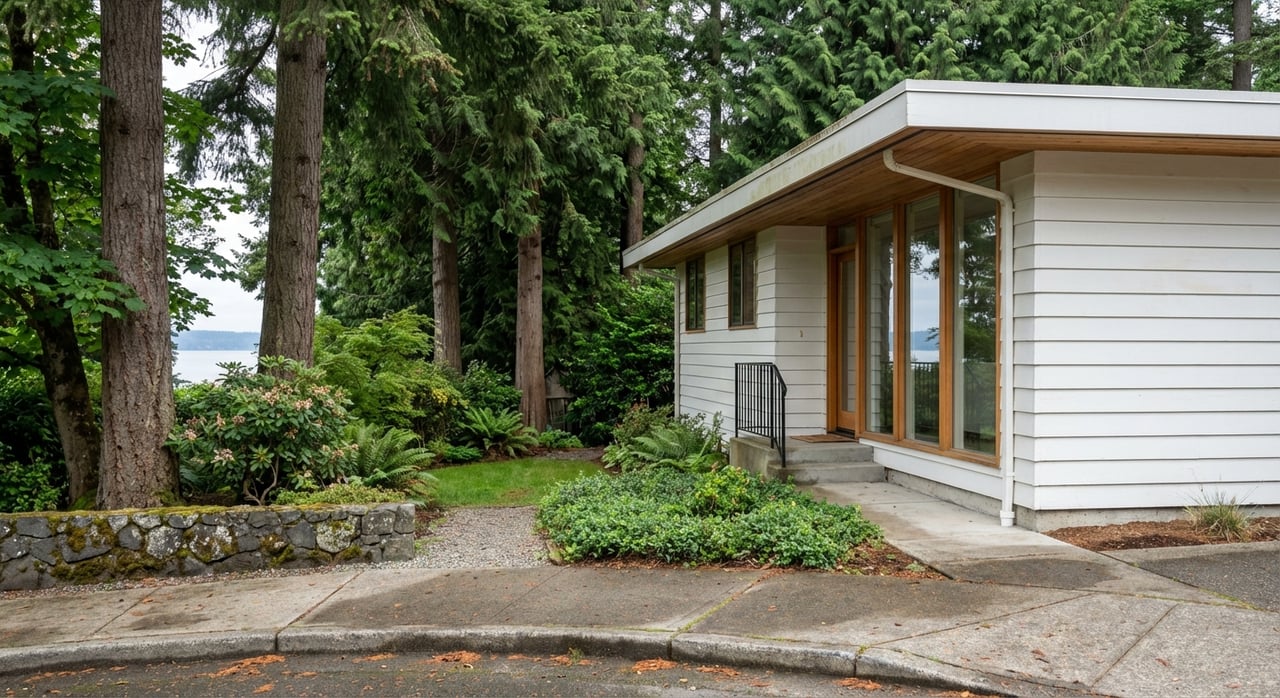
Choosing a home in Lake Oswego is not just about the house. It is about the streets you will walk, the parks you will use, and how your day will flow. If you have decided on Lake Oswego but feel stuck choosing a neighborhood, you are not alone. In this guide, you will learn a simple, data-backed way to compare areas, plus clear examples with First Addition and Westlake. Let’s dive in.
Compare Lake Oswego neighborhoods
Housing types and price tiers
Lake Oswego has a mix of older, in-town homes and later, planned subdivisions. In compact, historic areas you tend to see smaller lots, classic architecture, and more remodeling needs. In newer pockets you often find larger yards, contemporary floor plans, and newer systems. For a realistic view of price and inventory, review recent sales in the MLS and note the price bands for your must-have home size.
Walkability and daily errands
If you want a village feel, look for blocks with coffee, groceries, and parks within a 5 to 10 minute walk. Downtown and adjacent streets often score higher for walkability than outer neighborhoods. You can get a quick read using Walk Score at the address level. Corridors with clustered retail, such as downtown and the Lake Grove area, support convenient errands without a car.
Parks, trails, and lake access
Lake Oswego’s parks and pathways are a major quality-of-life asset. The city manages natural-area parks, sports fields, and notable public places like Millennium Plaza and the riverfront at George Rogers Park. Explore the city’s parks pages to see amenities and locations. Public access to Oswego Lake changed after 2025 court rulings and may continue to evolve, so confirm current rules with the city and review recent reporting from OPB on the lake access case.
Schools and family priorities
If school assignment is important to you, confirm boundaries during your search. District lines and facility plans can shift over time. Review district materials and the Lake Oswego High School profile for context, and consider both performance data and practical details such as walking distance to your preferred elementary.
Commute and transit
Many Lake Oswego residents drive to work. Citywide, the Census reports a notable mean travel time, which helps set expectations for regional commutes. For route planning and service updates, check TriMet’s service change page and test your commute at peak hours. Use mapping tools to compare drive times from your top neighborhoods to regular destinations.
Rules, HOAs, and associations
Some areas include HOAs that influence design and maintenance. Many neighborhoods also have active associations that shape local projects and provide helpful history. Use the city’s Neighborhood Association Program to learn about boundaries, contacts, and meeting notes.
First Addition vs Westlake
First Addition snapshot
First Addition sits by downtown and near the lake promenade. It features tree-lined streets, classic bungalows, Craftsman and Tudor homes, small multifamily buildings, and accessory units. The American Planning Association recognized First Addition for its planning and character, which you can explore in this neighborhood profile.
- Pros: High walkability to restaurants, shops, and the farmers market; fast access to downtown parks and events; strong neighborhood identity.
- Cons: Smaller lots and older systems that may require remodeling; premium pricing for proximity to the lakefront and downtown; less yard space.
- Practical checks: Confirm any recorded lake easements and guest parking options. Review nearby parks on the city’s parks pages, and walk the route to your favorite coffee spot to feel daily life.
Westlake snapshot
Westlake, on the city’s western edge, reflects a later, planned development pattern with winding streets and pocket parks. Homes often have larger lots and more contemporary layouts. The neighborhood includes Westlake Park and offers convenient access to regional corridors for commuters.
- Pros: Larger yards, newer systems, and convenient highway access toward westside job centers; local parks and play fields.
- Cons: More car-dependent for daily errands; longer internal drives to downtown and the lake promenade; typically lower walkability.
- Practical checks: Time your drive to key destinations at rush hour, visit the park after school lets out, and map out grocery runs to see how daily errands feel.
Other pockets to know
- Lake Grove and Foothills. Village-style shopping nodes, a range of single-family homes and condos, and convenient retail like the Lake Grove corridor.
- Palisades, North Shore, and Uplands. Lake-edge and estate-style areas where lot size and proximity to private amenities often translate to premium pricing and limited inventory.
A simple 5-step plan
- Define your non-negotiables. Price band, bedroom count, minimum lot size, preferred school, commute cap, and whether you require lake access.
- Shortlist two to three areas. Use walkability checks, parks proximity, and commute tests to narrow the field.
- Do field checks at three times of day. Morning, mid-afternoon, and evening to capture noise, traffic, and vibe. Walk your likely route to a nearby park or school.
- Verify rules and data. Confirm school boundaries and HOA details. For parks and lake access, rely on the city’s parks pages and recent local reporting about lake access. For transit updates, review TriMet’s service changes.
- Map it out. Use the city’s LO Map to understand neighborhood boundaries and key amenities. Overlay your commute and weekly stops.
Tools and quick links
- City snapshot data. See population, housing, and commute context on U.S. Census QuickFacts.
- Parks and open space. Browse facilities and locations on the City of Lake Oswego Parks & Recreation pages.
- Neighborhood associations. Find boundaries and contacts via the Neighborhood Association Program.
- Walkability. Check address-level walkability with Walk Score.
- Schools. Start with the Lake Oswego High School profile and confirm current boundaries through the district.
- Transit. Review proposed changes at TriMet’s service change page.
- Lake access context. Read OPB’s explainer on recent court rulings and appeals: Oswego Lake public access coverage.
Ready to compare homes like a local
Finding the right Lake Oswego neighborhood is a balance of daily convenience, outdoor access, commute time, and long-term resale goals. With two decades of local work and a relationship-first approach, I help you focus on the streets that truly fit your life, including off-market opportunities when available. If you are ready for a calm, confident search, request a consultation with Kelly Calabria.
FAQs
Which Lake Oswego areas are most walkable?
- Downtown and First Addition typically offer the highest walkability, with short walks to shops, restaurants, and parks; confirm with address-level Walk Scores.
Where can I find larger yards and newer homes in Lake Oswego?
- Planned subdivisions on the western and southern edges, such as Westlake and nearby corridors, often provide larger lots and later-era construction.
How should I evaluate schools when choosing a neighborhood in Lake Oswego?
- Confirm current boundaries with the district and review neutral performance profiles; then weigh proximity, commute, and after-school logistics for your family.
What should I know about Oswego Lake access before buying?
- Lake access is governed by easements and evolving public rulings; verify deeded rights and current public entry points with the city and recent OPB reporting.
How do I compare commute times between Lake Oswego neighborhoods?
- Test real drive times at peak hours and review TriMet’s proposed changes; use the city map to visualize routes to your key destinations.
