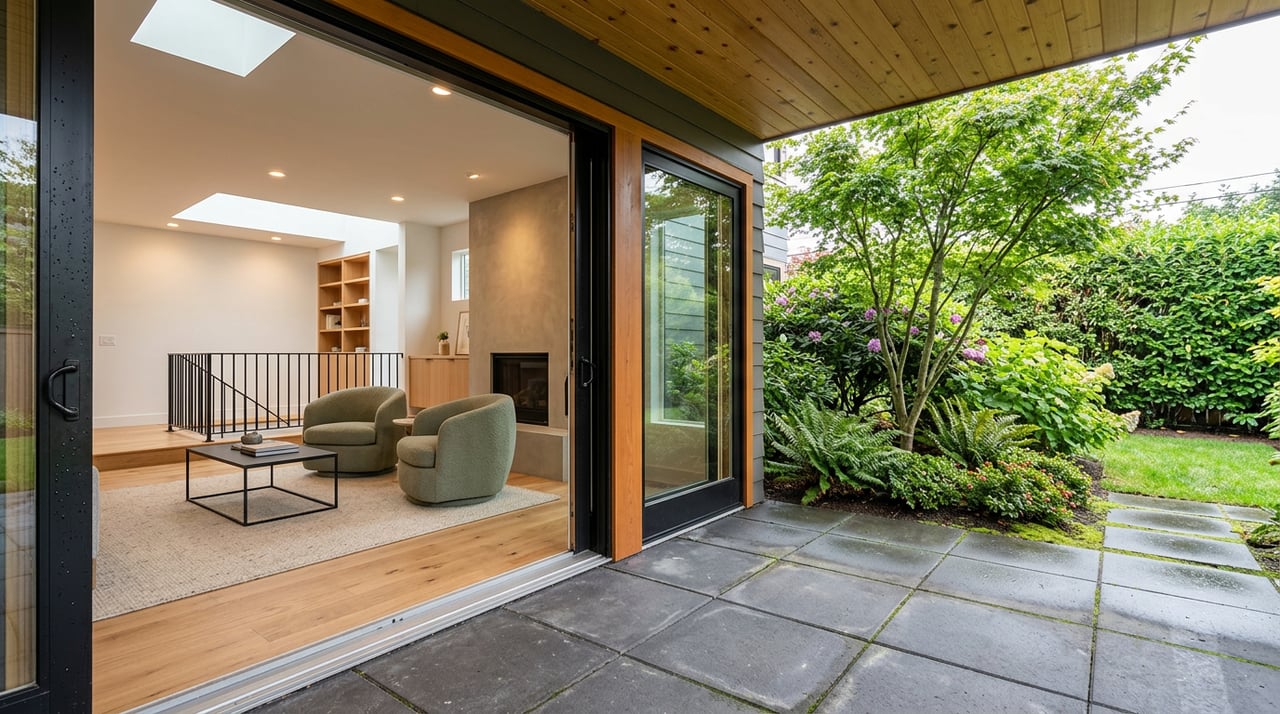
Looking for a calm, tree‑lined neighborhood on Portland’s west side that still keeps you close to everything? Raleigh Hills might be the fit you’ve been searching for. You want everyday convenience, short commutes, and homes with character that feel established rather than cookie‑cutter. In this guide, you’ll get a clear look at Raleigh Hills’ location, housing styles, parks, commutes, schools, and practical tips for buying or selling. Let’s dive in.
Where Raleigh Hills sits and why it works
Raleigh Hills is a close‑in, west‑side suburban neighborhood in unincorporated Washington County within the Portland metro area. It covers about 1.52 square miles and had a population of 6,196 in the 2020 census, according to Wikipedia. The area borders Beaverton to the west and West Slope to the north, set among mature trees and rolling southwest hills.
You sit near several key arterials, including Beaverton‑Hillsdale Highway, Scholls Ferry Road, Canyon Road, and Oleson Road. That road network anchors day‑to‑day trips and connects quickly to regional freeways. The county’s planning documents describe Raleigh Hills as a largely developed, low‑density residential community with an established neighborhood feel on interior streets and more activity along the commercial corridors. You can review the area’s land use, services, and transportation details in the Washington County Raleigh Hills – Garden Home Community Plan.
For downtown access, the distance is short. Raleigh Hills is roughly 7 driving miles from downtown Portland, per Travelmath’s distance reference. Actual time varies based on traffic patterns and time of day.
Neighborhood feel and housing styles
If you prefer mature landscaping and classic curb appeal, the interior blocks of Raleigh Hills deliver. Most of the community is single‑family residential, while multifamily housing appears along the main arterials. That mix creates quiet, established streets in the core with convenient access to shops and services nearby.
Homes tend to reflect mid‑20th‑century architecture: ranch and split‑level plans, plus Cape Cod or colonial‑revival touches in some pockets. You will also see bungalows and occasional craftsman details. Many properties have been remodeled over time. Near major corridors, expect more recent infill, including townhomes and some tear‑down rebuilds.
What pricing looks like now
Neighborhood‑level data in small areas can swing because only a handful of homes sell each month. As of late February 2026, Zillow’s typical home value index for Raleigh Hills was about $891,800 (Zillow, Feb 28, 2026), and Realtor.com showed a median list price around $899,000 at the time. Other providers sometimes display higher or lower monthly figures driven by very few sales. The takeaway is simple: treat any single snapshot with caution. When you are ready to make a move, ask for an on‑the‑day read of active comps and pending sales.
Parks, pools, and green space
Raleigh Park is the neighborhood’s outdoor hub. Managed by THPRD, the park spans roughly 16–17 acres and features an outdoor swim center with a 25‑yard seasonal pool, tennis courts, a playground, picnic areas, and paved trails that connect into surrounding streets. It often hosts programs and community activities that anchor neighborhood life. Explore the amenities on the THPRD Raleigh Park page.
Beyond the park, the Tualatin Hills Park & Recreation District serves the area with a network of fields, courts, programs, and facilities that support year‑round recreation. That district presence adds to Raleigh Hills’ day‑to‑day convenience and creates easy options for staying active close to home.
Golf adds even more green space at the edge of the neighborhood. The private Portland Golf Club, established in 1914, is a historic local landmark and contributes a wide, landscaped buffer. You can read about the site’s history in the state’s documentation of the Portland Golf Club clubhouse. Public golf is also nearby at RedTail Golf Center.
Commute and connectivity
Raleigh Hills sits between two major freeways. Highway 217 lies to the west and Highway 26 to the north, with Beaverton‑Hillsdale Highway, Scholls Ferry Road, Canyon Road, and Oleson Road carrying most local trips. The county plan identifies some congestion points and planned improvements along these routes, which is typical for close‑in corridors.
The distance to downtown is short at about 7 miles, though peak‑period travel can stretch to 20 minutes or more depending on departure time and route. A practical way to frame it is: short distance, variable time. If you commute, map a few options during your actual hours.
Transit offers a solid alternative along the arterials. TriMet’s Line 54 on Beaverton‑Hillsdale Highway typically provides daytime service every 15 minutes or better between Beaverton Transit Center and Portland City Center. Line 56 connects Scholls Ferry to corridors like Washington Square and Marquam Hill/OHSU. Get current frequency and stop details on TriMet’s Line 54 page.
Everyday conveniences
Daily shopping clusters right where you need it. The commercial spine along Beaverton‑Hillsdale Highway and Scholls Ferry includes groceries, neighborhood pubs, and practical services. Raleigh Hills is also notable as the site of New Seasons Market’s very first store, which opened around 2000 at the former Kienow’s site. You can find that detail in New Seasons’ media kit. Long‑running spots like McMenamins Raleigh Hills Pub add to the local rhythm. For larger retail, Cedar Hills Crossing and Washington Square are a short drive away.
Schools and services
Most of Raleigh Hills is served by the Beaverton School District. Depending on your address, elementary assignments can include Raleigh Hills Elementary, Raleigh Park, Montclair, or McKay. Middle and high school zones include combinations such as Whitford and Beaverton, with some areas zoned to Sunset. School boundaries do change, so it is best to verify assignments for a specific property.
A notable project underway is the rebuild of Raleigh Hills Elementary. District materials indicate a rebuilt school planned to open in fall 2026. For the latest timeline and any temporary arrangements, check the district’s Raleigh Hills Elementary rebuild page.
Local services follow regional districts. Tualatin Valley Fire & Rescue provides emergency services in the area, and water and sewer are handled by a mix of local providers. Because Raleigh Hills is unincorporated, verify jurisdiction lines and utility districts on a property‑by‑property basis. The Washington County community plan is a good reference for the big picture.
How Raleigh Hills compares to nearby options
If you are debating between West Slope, Hillsdale, and Raleigh Hills, think about your priorities. West Slope and Hillsdale lean more urban and can feel closer to inner‑Portland patterns in some spots. Raleigh Hills tends to feel quieter on interior blocks, with transit and services concentrated along the arterial edges. You still keep a short distance to downtown and Beaverton.
If you are comparing farther‑out suburbs like Hillsboro or Tanasbourne, you will notice more master‑planned communities and newer subdivisions there. Raleigh Hills sits between those worlds. It is closer‑in, more established, and heavily treed, yet it keeps the suburban convenience many buyers want.
Is Raleigh Hills a fit for you?
Consider Raleigh Hills if you:
- Want a short map distance to downtown Portland and Beaverton.
- Prefer established, tree‑lined streets and mid‑century home styles.
- Value nearby parks, pools, and programmed recreation.
- Like having daily services along the edge but quieter interior blocks.
- Are open to remodeled homes or exploring custom updates and rebuilds.
Buying or selling in Raleigh Hills: practical tips
For buyers: Inventory can be limited, and neighborhood data can be noisy month‑to‑month. Get pre‑approved, watch on‑market activity closely, and be ready to act on the right home. Ask about pre‑market or off‑market opportunities that may fit your criteria.
For sellers: Highlight classic curb appeal and any thoughtful updates. Position your home with lifestyle photography and copy that spotlights proximity to Raleigh Park, commuter routes, and the neighborhood’s established feel. Timing can matter, so align preparation and launch with your goals and local activity patterns.
For everyone: Verify the numbers on decision day. Small sample sizes can swing reported medians, bus schedules evolve, and school boundaries or projects can shift. Your agent should provide current comps, route checks, and school verification so you can move with confidence.
Ready to explore Raleigh Hills or prepare your home for market? Connect with Kelly Calabria to Request a Free Home Valuation or Buyer Consultation. You will get data you can trust, neighborhood context that matters, and a plan tailored to your next move.
FAQs
What and where is Raleigh Hills?
- Raleigh Hills is a close‑in suburban neighborhood in unincorporated Washington County near Portland, covering about 1.52 square miles with 6,196 residents (2020 census).
How long is the commute from Raleigh Hills to downtown Portland?
- The distance is about 7 miles; typical drive times range from roughly 10 to 25 minutes or more depending on traffic and route.
What types of homes are common in Raleigh Hills?
- You will see mid‑century ranch and split‑level homes, plus Cape Cod, colonial‑revival touches, bungalows, and periodic remodels, rebuilds, and infill near arterials.
What parks and recreation are in Raleigh Hills?
- Raleigh Park offers a seasonal outdoor pool, courts, playgrounds, and trails, with additional programs from the local park district; golf options include nearby private and public courses.
Which schools serve Raleigh Hills, and is any new construction planned?
- Most addresses are in the Beaverton School District; assignments vary by address. The district indicates a rebuilt Raleigh Hills Elementary planned to open in fall 2026; confirm current details with the district.
What shopping and dining are nearby?
- Daily needs cluster along Beaverton‑Hillsdale Highway and Scholls Ferry, including groceries and long‑running neighborhood spots, with larger centers like Cedar Hills Crossing and Washington Square a short drive away.
Is public transit available in Raleigh Hills?
- Yes. TriMet’s Line 54 runs frequent service along Beaverton‑Hillsdale Highway, with Line 56 on Scholls Ferry; interior streets are more car‑oriented, so most riders access transit on the arterials.
