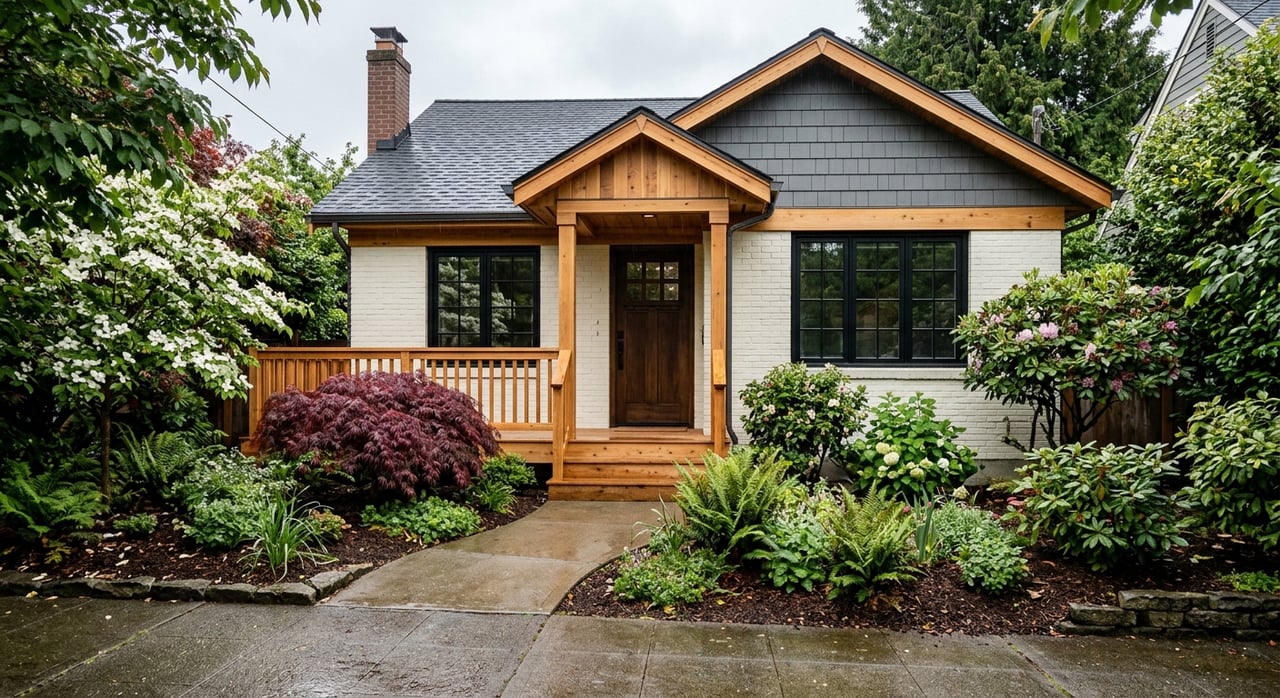
If you’re selling in First Addition, you’re not just putting a house on the market. You’re introducing buyers to one of Lake Oswego’s most established and walkable neighborhood settings. That can be a major advantage, but it also means your pricing, preparation, and marketing need to reflect what makes this area different. Here’s how to position your home thoughtfully and competitively in First Addition. Let’s dive in.
Why First Addition Stands Out
First Addition has deep roots in Lake Oswego. City history documents describe it as one of the city’s oldest neighborhoods, originally platted in 1888 on a traditional grid and once home to early commercial uses like stores, hotels, pharmacies, and boarding houses.
Today, that history shows up in the neighborhood’s texture and layout. First Addition sits alongside downtown Lake Oswego, which the city describes as a walkable lakefront business district with shopping, dining, entertainment, and civic uses.
That walkable setting matters when you sell. Buyers are often responding not only to the home itself, but also to the convenience of being close to downtown errands, coffee spots, restaurants, the library, and community events.
The area also benefits from places that help shape daily life. The city notes that the Lake Oswego Public Library is in adjacent First Addition, and Millennium Plaza Park hosts the farmers’ market and events throughout the year. The farmers’ market has served as a community anchor since 2001 and draws more than 80 vendors each week.
Market the First Addition Lifestyle
In First Addition, lifestyle is part of value. A home here often appeals to buyers who want a park-once-and-walk routine, where daily activities feel close and connected.
That means your marketing should go beyond square footage and bedroom count. It should show how your home fits into the rhythm of the neighborhood, especially its sidewalks, mature trees, front porches, and easy downtown access.
Highlight Walkability and Access
The city’s description of downtown Lake Oswego supports one of the strongest selling themes for this neighborhood: walkability. If your home offers convenient access to downtown businesses, civic spaces, or the farmers’ market, that should be part of the listing story.
This does not mean overstating distance or making broad promises. It means clearly and factually presenting the daily convenience that buyers may value in First Addition.
Use Historic Charm Carefully
Historic character can absolutely be a selling point in First Addition. Older homes may offer details, scale, and street presence that buyers find hard to replicate elsewhere.
At the same time, it is important to be precise. Lake Oswego has a historic preservation program and a review process for alterations to significant historic resources, but that does not mean every older home in First Addition is formally designated historic.
A smart listing strategy focuses on what is true for your property. Think original-era features, established streetscape, and neighborhood character, rather than labels that may not apply.
Show the Streetscape
Visual presentation matters in this neighborhood. Front porches, sidewalks, mature landscaping, and the relationship between the home and the street can be just as persuasive as interior photos.
Lake Oswego’s tree code is intended to preserve the city’s wooded character. In practical terms, that means trees and canopy are part of what buyers often notice and remember about First Addition.
Price With Micro-Market Data
One of the biggest mistakes sellers can make in First Addition is relying too heavily on citywide averages. Lake Oswego is not a one-size-fits-all market, and First Addition has its own value drivers.
The research shows why broad averages can be misleading. In March 2026, one city snapshot reported a median sale price of $825,000 with about 24 median days on market, while another reported a median listing price of $1.0625 million with 48 days on market and described the market as balanced.
Those differences do not mean one source is wrong. They show that methodology varies, and they reinforce why a distinct neighborhood like First Addition needs a more precise pricing approach.
What Buyers Compare Here
In First Addition, buyers often weigh more than size alone. They may compare condition, update level, lot utility, parking, floor plan, and how strongly the home delivers the neighborhood lifestyle.
An older home with strong charm but obvious deferred maintenance may draw a different response than a similarly sized home with updated systems and better functionality. In a character neighborhood, emotional appeal matters, but buyers still factor in the cost and effort of future work.
Why Realistic Pricing Matters
If pricing ignores needed repairs or dated features, the market may react quickly. Buyers in established neighborhoods often notice when the list price does not match the home’s actual condition.
Realistic pricing creates better momentum. It can support stronger interest early, reduce the risk of long market time, and help you avoid avoidable renegotiation later.
Prepare an Older Home for Scrutiny
Many First Addition homes are older, and buyers usually expect to take a close look at condition. That makes pre-list preparation especially important.
A strong sale often starts before the listing goes live. Pre-list maintenance, clear documentation, and thoughtful disclosure can help reduce surprises once offers start coming in.
Focus on High-Impact Systems
Inspection prep should center on the systems buyers and inspectors are most likely to question. Common areas of attention include the foundation, roof, electrical, plumbing, and other major systems.
If your home has known age-related issues, addressing them before listing can improve buyer confidence. Even when you choose not to complete every repair, having records, bids, or service documentation can help the transaction move more smoothly.
Understand Oregon Disclosure Requirements
Oregon generally requires sellers to complete, sign, and deliver a seller’s property disclosure statement to a buyer who makes a written offer, unless an exclusion applies. If your home was built before 1978, federal lead-based paint rules may also apply.
For pre-1978 homes, sellers must disclose known lead-based paint hazards, provide an EPA-approved lead information pamphlet, and include specific contract language. If you are planning repairs or updates before listing, lead-safe practices may also be important depending on the scope of work.
Check Before Making Exterior Changes
If you’re considering pre-list tree removal, exterior updates, or additions, local rules matter. Lake Oswego’s materials note a review process for alterations to historic resources, and the city’s tree code regulates tree removal as part of preserving wooded character.
That means it is wise to verify whether your planned work needs city review before the project starts. This is especially important on older lots with mature landscaping.
Build Stronger Offers Before Launch
In a neighborhood like First Addition, some of the most important work happens before buyers ever walk through the door. A clear strategy can shape both the quality of interest and the strength of offers.
That includes pricing, photography, home preparation, and the way the property story is told. In this area, buyers are often deciding whether the home feels like part of the First Addition lifestyle they want.
Create a Clear Listing Story
Your listing should connect the home to the neighborhood in a factual, grounded way. Buyers need to understand not only what the property offers, but also why this location in Lake Oswego stands apart.
That might include the traditional street grid, proximity to downtown, the established canopy, or the ease of reaching local civic and community spaces. The goal is not hype. The goal is helping buyers see the full value of what they are considering.
Invest in Strong Visuals
Photography should do more than document rooms. In First Addition, it should also capture street appeal, front-yard presence, and the home’s relationship to sidewalks, trees, and nearby neighborhood context.
For many buyers, these details support the emotional case for the purchase. They can also help your home stand out online before a showing is ever scheduled.
Keep Closing in Mind Early
A smoother closing often starts with fewer unanswered questions. When buyers feel they understand the condition of the home and the value behind the price, transactions tend to hold together better.
The final walk-through still matters because it is the buyer’s last chance to confirm the property is in the expected condition and that any agreed repairs were completed. Sellers who stay organized through the full process are often better positioned for a cleaner finish.
Why Local Positioning Matters
Selling in First Addition is not the same as selling in a generic citywide market. You’re working in a neighborhood where history, walkability, and established character all influence buyer perception.
That is why neighborhood-level strategy matters so much. The right approach brings together micro-market pricing, smart preparation, and marketing that reflects how buyers actually evaluate homes in this part of Lake Oswego.
If you’re thinking about selling in First Addition, it helps to work with someone who understands both the numbers and the neighborhood story. For tailored guidance on pricing, preparation, and positioning, connect with Kelly Calabria.
FAQs
What makes selling a home in First Addition different from other Lake Oswego neighborhoods?
- First Addition has a distinct mix of older housing, a traditional street grid, mature trees, and close access to downtown Lake Oswego, so buyers often evaluate both the home and the neighborhood lifestyle.
How should you price a home in First Addition Lake Oswego?
- The best approach is to use First Addition and nearby micro-market comparables rather than broad Lake Oswego averages, while accounting for condition, updates, parking, lot utility, and lifestyle appeal.
What should sellers fix before listing an older First Addition home?
- Sellers should focus first on major systems and issues that often affect inspections, such as roof, foundation, electrical, plumbing, and other age-related maintenance items.
Do sellers in Oregon need to provide a property disclosure statement?
- In general, Oregon sellers must complete, sign, and deliver a seller’s property disclosure statement to a buyer who makes a written offer, unless an exclusion applies.
What should sellers know about lead-based paint in older First Addition homes?
- If the home was built before 1978, sellers may need to disclose known lead-based paint hazards, provide a lead information pamphlet, and include required contract language.
Can you remove trees or make exterior changes before selling in Lake Oswego?
- Possibly, but Lake Oswego has tree regulations and may require review for certain changes, so it is important to verify city requirements before starting work.
