If you want a neighborhood where you can leave the car parked and still get a lot done, First Addition stands out. In Lake Oswego, that kind of everyday convenience matters, especially if you want charm, nearby amenities, and a strong sense of place in the same package. This guide walks you through what a real day on foot can look like in First Addition, along with the details that make the neighborhood feel both practical and distinctive. Let’s dive in.
Why First Addition Feels Walkable
First Addition is one of Lake Oswego’s oldest neighborhoods, and that history still shapes how it lives today. The American Planning Association has recognized it as one of its Great Neighborhoods in America, noting its small-town feel and its closeness to daily services and shopping.
That walkable feel comes from compact blocks, proximity to downtown, and a mix of uses. City planning materials describe a neighborhood next to downtown Lake Oswego with mature trees, historic structures, housing variety, commercial activity, and civic buildings all woven together.
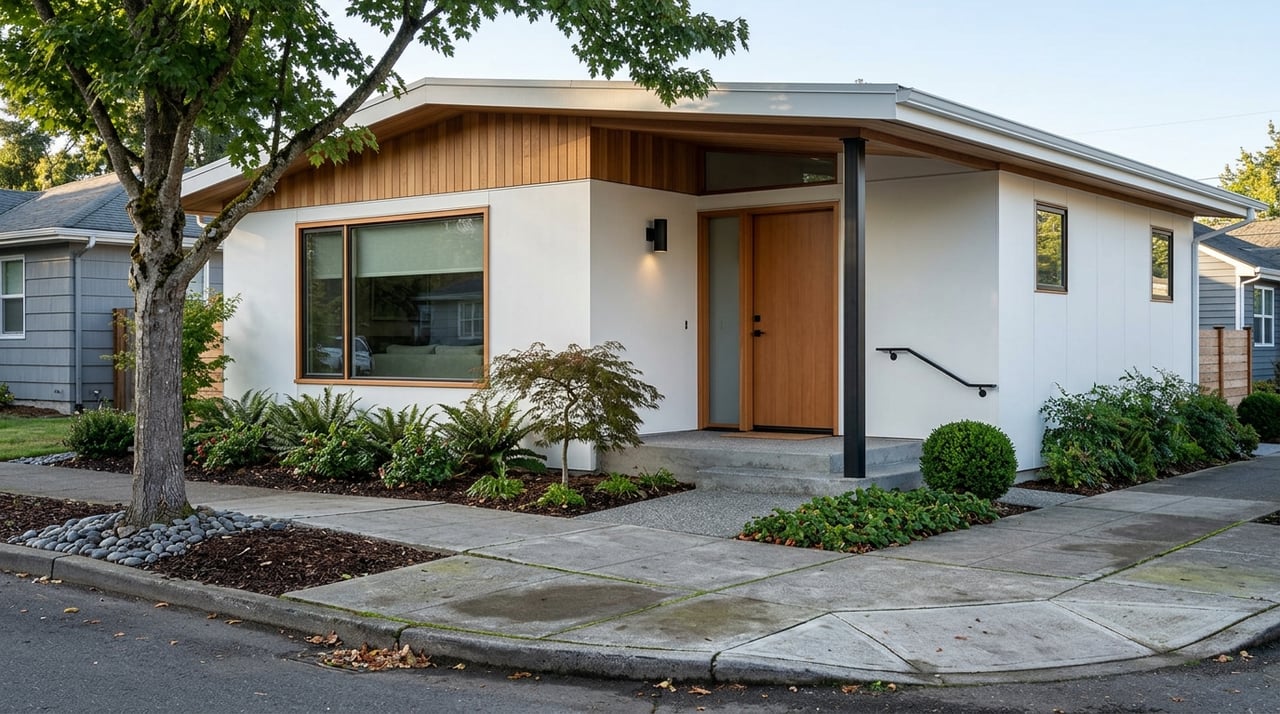
This is not the same as a brand-new district with wide sidewalks on every block. First Addition’s pedestrian appeal is more nuanced, with narrow streets, rear alleys, on-street parking, and some areas with limited or missing sidewalks. In other words, it feels human-scaled and connected, but also historic.
Start the Morning Downtown
One of the best parts of living near First Addition is how naturally the day can begin on foot. Downtown Lake Oswego is described by the city as a walkable lakefront business district with shopping, dining, entertainment, offices, and services clustered along State Street and between A and B Avenues.
That means your morning can be simple. You can head out for coffee, pick up breakfast, or combine a quick stop with a small errand loop instead of planning a full car trip.
The downtown area includes several connected nodes that support that rhythm. City materials highlight places such as Lake View Village, The Windward, Oswego Village, and Lake Place, with Oswego Village anchored by Whole Foods 365 Market and Ace True Value Hardware, and Lake View Village including restaurants and specialty retailers.
Midday Errands Feel Close By
Walkability is not just about where you can grab coffee. It also matters whether your day-to-day tasks feel easy, and First Addition has a strong civic core that adds real convenience.
The Lake Oswego Public Library, located at 706 Fourth Street, is a good example. The city notes that the library is open to the public and offers services such as curbside pickup, home delivery, wireless printing, parking lot Wi-Fi, and tech help.
The Adult Community Center at 505 G Avenue adds another layer to the neighborhood’s daily usefulness. According to the city, it offers classes, social activity groups, human services, and a community lunch on Monday, Wednesday, and Friday.
The broader downtown and First Addition area also includes City Hall, a fire station, the post office, the Lakewood Center for the Arts, and the Gallery Without Walls. When those kinds of destinations sit close together, your day tends to feel more connected and less car-dependent.
Spend the Afternoon Near the Water
Parks are a big part of what makes First Addition appealing. You are not just walking to errands. You are also walking into spaces that make the day feel slower, more scenic, and more enjoyable.
Millennium Plaza Park is right in the heart of downtown, overlooking Lakewood Bay between First and Second Streets. The city describes it as a park with a pergola, open fireplace, reflecting pond, tables and chairs, and event programming.
It also hosts the Lake Oswego Farmers’ Market and other community events. The city says the market has operated since 2001, usually runs 22 weeks from Mother’s Day weekend through mid-October, and features more than 80 vendors each week.
Sundeleaf Plaza offers another nearby place to pause. The city describes it as a smaller urban park with lawn areas, outdoor seating, a fireplace, a rain garden, and lake views.
Add a Longer Walk to George Rogers Park
If you want to stretch the route, George Rogers Park gives you a longer outing beyond the immediate downtown loop. The city describes it as Lake Oswego’s first community park and one of its most diverse.
The 26-acre park includes athletic fields, pickleball courts, a playground, picnic areas, riverfront access, walking trails, and a natural area. The lower park has also received pedestrian-access upgrades along the Willamette River, which strengthens the connection between recreation and walkability.
For many buyers, this is where First Addition’s appeal becomes especially clear. You can enjoy a compact neighborhood experience near downtown, then extend your walk into a larger recreation setting when you want more space.
End the Day with Dinner and a Stroll
Evenings in and around First Addition have an easy rhythm. The city describes downtown Lake Oswego as a dining and specialty shopping district, with lakefront and riverfront parks, a performing arts center, and an outdoor sculpture walk adding to the experience.
That gives you a realistic way to picture the end of the day. You can head out for dinner, take a short walk through a park, enjoy the arts, and return home through residential streets rather than driving from one isolated stop to the next.
For people who value lifestyle as much as square footage, that pattern can be a big draw. It is less about flashy density and more about having daily destinations close enough to feel part of your routine.
Historic Design Shapes Daily Life
A big reason First Addition feels different from newer neighborhoods is its urban form. The American Planning Association notes architectural styles such as Gothic Revival, Prairie Tudor, Craftsman, bungalow, and ranch, along with rear alleys that support off-street parking and services.
City materials add to that picture with references to mature Douglas firs, deciduous trees, and some of the city’s oldest gardens and trees. The result is a neighborhood where the streetscape itself adds to the walking experience.
This design was not left to chance. The APA notes that residents and city officials adopted design guidelines for new development and additions, while the neighborhood plan uses traffic-calming strategies to discourage through-traffic and support a calmer residential environment.
That matters if you are trying to understand what creates the neighborhood’s appeal. The charm comes from the combination of older streets, mature landscaping, nearby destinations, and planning choices that help preserve the area’s character.
What Walkability Here Really Means
The most accurate way to think about First Addition is as a practical walking neighborhood with historic tradeoffs. It works especially well for short daily-life trips near downtown, civic buildings, and parks.
At the same time, it is helpful to be realistic. Some streets are narrower, some sidewalks are limited, and the neighborhood can have the usual pressures that come with older close-in areas, such as parking or traffic at certain times.
For many people, that is a worthwhile exchange. You get a neighborhood that feels established, connected, and close to the heart of Lake Oswego rather than a place built around long drives and separation between home, errands, and recreation.
Why This Matters for Buyers and Sellers
If you are buying in Lake Oswego, First Addition offers a lifestyle that is easy to picture. You can reasonably expect a close-in routine built around downtown access, civic amenities, parks, and a neighborhood fabric that feels rooted in place.
If you are selling, this is also a neighborhood where lifestyle positioning matters. Proximity to downtown dining, errands, civic resources, and waterfront parks can help tell a fuller story about how a home lives, not just how it looks on paper.
That kind of neighborhood storytelling works best when it is grounded in real local knowledge. First Addition is not interchangeable with every other walkable area, and understanding those block-by-block differences can make a meaningful difference whether you are preparing a listing or narrowing your home search.
If you are thinking about buying or selling in Lake Oswego and want a clear, local perspective on neighborhoods like First Addition, connect with Kelly Calabria for a buyer consultation or free home valuation.
FAQs
What makes First Addition in Lake Oswego feel walkable?
- First Addition feels walkable because it sits next to downtown Lake Oswego and combines compact blocks, nearby services, civic buildings, parks, and a mix of housing and commercial uses.
What can you do on foot in First Addition?
- On foot, you can access downtown dining and shopping, the Lake Oswego Public Library, the Adult Community Center, Millennium Plaza Park, Sundeleaf Plaza, and, on a longer route, George Rogers Park.
Is First Addition a modern sidewalk neighborhood?
- No, city materials indicate that First Addition’s walkability comes from proximity and older urban design, with narrow streets and some areas where sidewalks are limited or absent.
How close is First Addition to downtown Lake Oswego?
- First Addition is adjacent to downtown Lake Oswego, which is one reason the neighborhood supports short walking trips for errands, dining, parks, and civic stops.
Why do buyers and sellers pay attention to walkability in First Addition?
- Buyers often value the convenience of a close-in lifestyle, while sellers can benefit from highlighting proximity to downtown, parks, and civic amenities as part of the home’s everyday appeal.
